Why hard water treatment matters
Hard water is not a health emergency, but the minerals it carries show up in everyday life—on fixtures, in appliances, and in how soap and skin behave. Understanding those effects helps you decide whether a softener makes sense for your home.
What “hard” water actually is
Hardness comes mainly from dissolved calcium and magnesium. As water moves through soil and rock, it picks up these minerals. When that water is heated or evaporates, the minerals can precipitate as scale—the white, chalky deposit many homeowners recognize on faucets, showerheads, and inside kettles or water heaters.
Hardness is often measured in grains per gallon (gpg) or parts per million (ppm). Local municipal and well water vary; testing gives a clearer picture than guessing from symptoms alone.
Where the effects show up
Fixtures & finishes
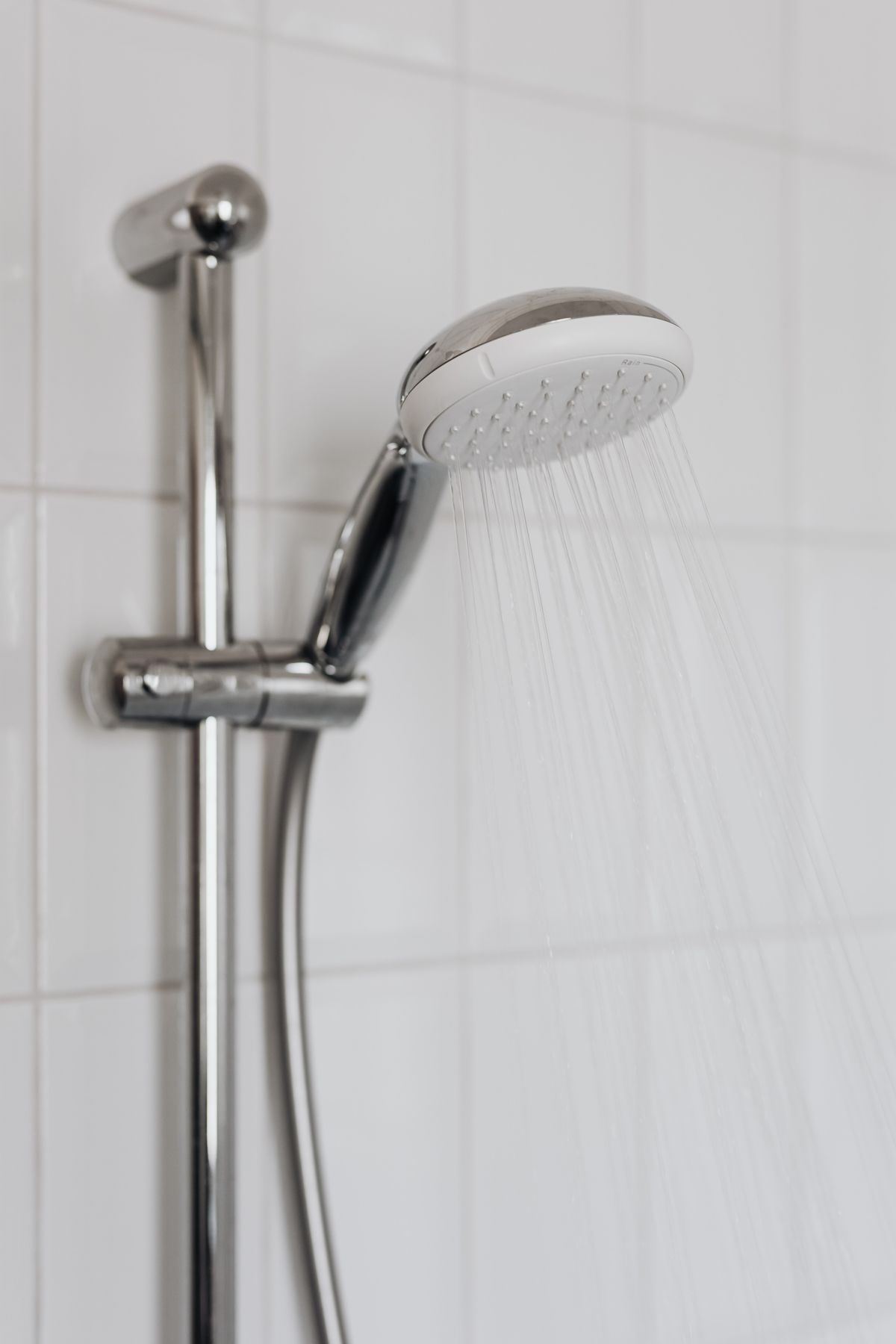
Scale builds on faucets, showerheads, and glass. It can reduce flow, dull chrome, and make cleaning more frequent. Once scale is established, it often needs mechanical or chemical removal.
Appliances
Water heaters, dishwashers, and washing machines can accumulate mineral deposits over time. Scale acts as insulation in heaters and can affect efficiency and longevity of heating elements and valves.
Soap, skin & laundry
Hard water reacts with soap to form soap scum. Many people notice that soap and shampoo don’t lather as freely, and that skin or hair can feel residual film. Laundry may need more detergent to achieve the same result.
Cleaning effort
Spots on glassware, film on shower doors, and mineral rings in sinks are common. Softened water typically reduces the amount of residue left behind when water dries.
What a softener changes
A conventional salt-based softener removes hardness minerals through ion exchange. Softened water then behaves differently: soap lathers more easily, scale formation slows dramatically, and many of the daily friction points associated with hard water diminish.
Salt-free systems take a different approach—conditioning minerals rather than removing them. Suitability depends on water chemistry and what you want to achieve. Neither approach is universal; the right path starts with understanding your water and your priorities.
Curious about your water?
Call to discuss hardness symptoms, testing, or whether a softener or conditioner fits your home.
+1 (878) 242-4445